
High Fasting Blood Sugars: science, facts & precautions
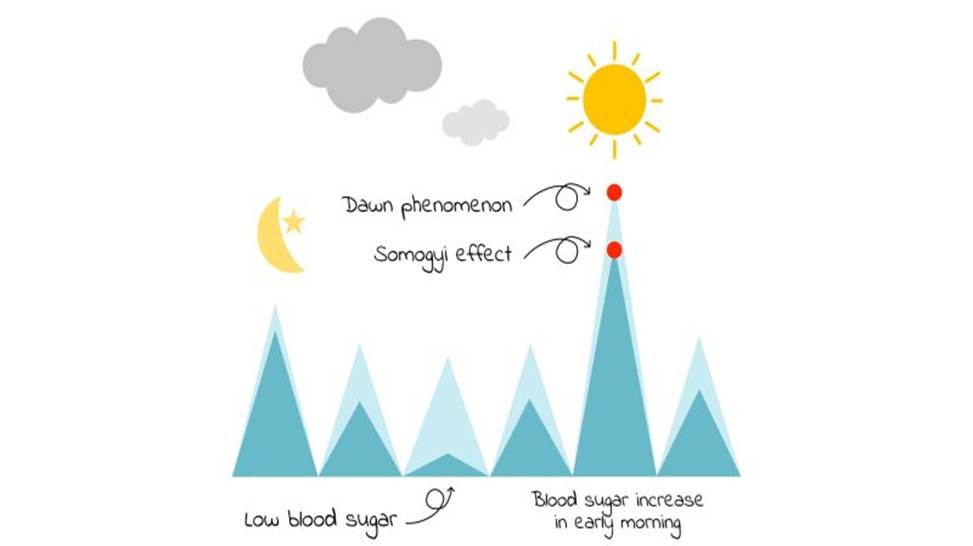
Have you ever checked your blood sugar in the morning? Do you know why it is high? Does it mean you have diabetes or is it a sign of pre-diabetes? Science: The natural physiological process of a human body is to release hormones such as cortisol, growth hormone, and glucagon to prepare for waking up activities in everyone between 3 AM to 8AM. This is referred as dawn phenomenon. These hormones stimulate the liver to release glucose into the bloodstream. Rise in blood sugar/ Dawn phenomenon is common regardless of the fact whether you have diabetes or not. It is also related to natural process of Body Repair to ensure energy is available immediately upon waking, particularly for the brain. In normal people (without diabetes) the pancreas releases a small amount of insulin to counteract this spike, keeping blood sugar stable hence preventing significant, detectable hyperglycemia. But in people with Diabetes, pre diabetes or who have insulin resistance the high sugars are significant and detectable due to insufficient insulin produced by body & medications taken by them. What Is Fasting Blood Sugar? Fasting blood sugar refers to the glucose level measured after not eating for at least 8 hours, usually early in the morning before breakfast. As per the American Diabetes Association, the normal fasting, Prediabetes & Diabetes blood sugar levels are 70–99 mg/dL, 100–125 mg/dL and 126 mg/dL or higher respectively. Persistent high fasting glucose levels may indicate insulin resistance, poor overnight glucose regulation, or inadequate diabetes management. Factors associated with Fasting Blood Sugar Rise Overnight among people with diabetes? Many people assume blood sugar should naturally decrease during sleep. However, the body continues to regulate glucose even during the night. 1. The Dawn Phenomenon In people with diabetes, insulin may not work effectively enough to control this glucose release, resulting in elevated morning blood sugar levels. 2. Insulin Resistance Glucose cannot enter cells efficiently if they have Insulin resistance. As a result, sugar remains in the bloodstream. Insulin resistance is strongly associated with various factors like Obesity, Sedentary lifestyle, Stress, Poor sleep & Hormonal imbalance. 3. Late-Night Eating Eating heavy meals, composed of refined carbohydrates, or sugary snacks etc, late at night can significantly increase fasting glucose levels the next morning. 4. Inadequate Medication or Insulin Proper medication is a key to control fasting glucose, otherwise it remains high. We need to ensure that the type of medication is proper for good control, dose of medication is sufficient and even the time of medication may need adjustment. 5. Somogyi Effect Though not very common now -a -days due to newer medications, still it may happen due to an episode of low blood sugar overnight (around 2- 3 AM). The body perceives this low as a danger and in panic, releases counter-regulatory hormones (cortisol, adrenaline) to “rescue” the body. This causes an increase in blood sugar in the morning. Tips/ precautions: Patients should consult a healthcare professional for proper guidance and a personalized approach to understand the reason for better management. A CGM will help in monitoring the blood glucose levels 24 hours to help understand the reason for high blood sugar levels in the morning. Self-medication or adjustments are not advisable. Early intervention through lifestyle changes like healthy eating, physical activity, stress control, regular monitoring of sugars, and appropriate treatment can prevent long-term complications and improve quality of life. Advice by Dr. Vijay Viswanathan: The trigger exists in everyone, but the symptom of high morning blood sugar (hyperglycemia) usually only affects people with diabetes or those who have metabolic issues. Get professional advice soon and live a healthy life.